

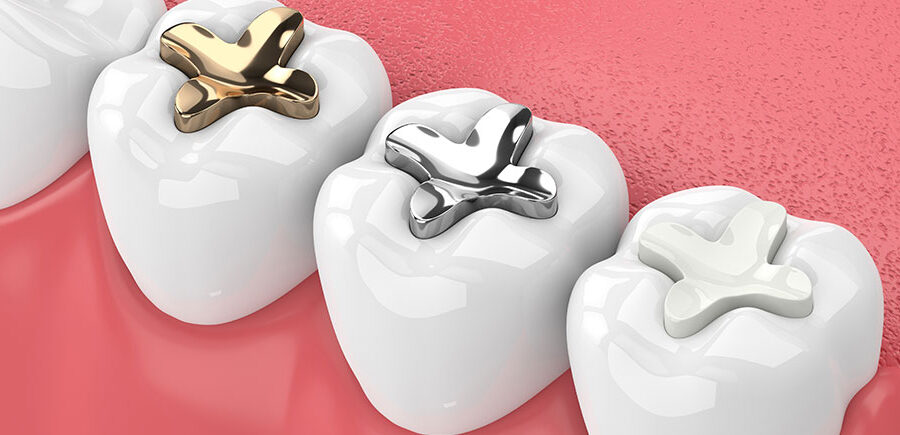
A small cavity can often feel like a minor issue—something easy to ignore until it begins to cause discomfort while eating or increases teeth sensitivity. Dental filling is a simple and effective way to treat cavities before they worsen. The tooth filling cost in Kolkata, India depends on the material used—ranging from basic amalgam to natural-looking composite or ceramic options. If you’re visiting a dental clinic in Gariahat, your dentist will guide you based on your tooth condition and aesthetic preference, helping you choose a solution that restores both function and comfort.
Let’s understand the cost, types, and procedure of dental fillings to make informed decisions.
What Is a Tooth Filling and Why Is It Needed?
A tooth filling is a simple dental procedure used to restore a tooth damaged by decay. When bacteria create a cavity, the affected portion of the tooth is removed and replaced with a filling material.
This prevents the decay from spreading deeper and helps maintain the strength and function of your tooth.
Ignoring a cavity for too long may lead to more complex treatments like root canal therapy, which is why timely fillings are often the most conservative and cost-effective solution.
Types of Tooth Fillings Explained
Choosing the right filling is not just about cost—it’s also about durability, aesthetics, and the location of the tooth.
1. Composite (Tooth-Coloured Fillings)
These are among the most commonly used fillings today. They blend naturally with your teeth and are ideal for visible areas.
Best for: Front teeth and small-to-medium cavities
Advantages: Natural appearance, bonds well to tooth
Consideration: Slightly less durable than metal fillings for large cavities
2. Silver Amalgam Fillings
A traditional option made from a mix of metals, known for strength and longevity.
Best for: Back teeth (molars)
Advantages: Durable and cost-effective
Consideration: Metallic appearance
3. Glass Ionomer Fillings
These release fluoride over time, which can help protect the tooth from further decay.
Best for: Children or areas near the gum line
Advantages: Fluoride release, gentle on teeth
Consideration: Less durable than composite
4. Ceramic / Porcelain Fillings
These are custom-made and highly aesthetic, often used for larger restorations.
Best for: Patients seeking premium, long-lasting results
Advantages: Stain-resistant, natural look
Consideration: Higher cost
What Are Tooth Fillings Used For?
Though dental fillings are commonly used to restore decayed teeth, they are effective for various restorative dentistry purposes. It helps bring back the tooth’s normal shape, strength, and function while preventing further issues.
They are commonly used for:
- Treating cavities
- Repairing minor cracks or fractures in teeth
- Restoring worn-down teeth (due to grinding or acidic erosion)
- Closing small gaps where bacteria can accumulate
- Protecting sensitive areas of a tooth after decay removal
By sealing the affected area, dental fillings help stop bacteria from entering deeper layers of the tooth and reduce the risk of more complex treatments later.
Dental Filling Cost in Kolkata, India
The tooth filling cost in Kolkata and across India can vary depending on several factors such as the type of material used, the size of the cavity or chip, and the clinic’s expertise.
Average Cost Range:
- Silver Amalgam Fillings: ₹800 – ₹2,000 per tooth
- Composite (Tooth-Coloured) Fillings: ₹1,500 – ₹4,000 per tooth
- Glass Ionomer Fillings: ₹1,000 – ₹2,500 per tooth
- Ceramic / Porcelain Fillings: ₹5,000 – ₹10,000 per tooth
Clinics located in premium areas or known as the best dental clinic in Kolkata may charge slightly higher due to advanced materials, sterilization protocols, and experienced dentists.
Benefits and Risks of Dental Fillings
Dental fillings are usually safe, but like any treatment, they come with both advantages and a few considerations.
Benefits:
- Restores the natural shape and function of the tooth
- Stops decay from progressing further
- Helps reduce pain and sensitivity
- Preserves your natural tooth structure
- Improves appearance, especially with tooth-coloured fillings
Risks / Considerations:
- Mild sensitivity to hot or cold for a few days after treatment
- Fillings may wear out or loosen over time and need replacement
- Rare chance of minor discomfort while biting if the filling needs adjustment
- In larger cavities, additional treatment may sometimes be required
Overall, dental fillings are a reliable and commonly performed procedure, and with proper care, they can last for many years comfortably.
What Happens During a Dental Filling Procedure?
The procedure is usually completed in a single visit.
Step-by-Step Process:
- Examination and Diagnosis
The dentist checks the tooth and may take an X-ray to assess the extent of decay. - Numbing the Area
Local anaesthesia is used to keep you comfortable during the procedure. - Removing the Decay
The decayed portion of the tooth is carefully cleaned. - Filling the Tooth
The chosen filling material is placed and shaped to restore the tooth. - Polishing and Finishing
The filling is adjusted to ensure a natural bite and smooth finish.
Most patients resume normal activities immediately after the treatment.
Which Tooth Filling Is Best for You?
There is no single “best” dental filling for everyone. The right choice depends on your specific dental condition and preferences.
Your dentist may consider:
- Location of the cavity (front vs back tooth)
- Size and depth of decay
- Aesthetic preferences
- Budget and long-term expectations
For example, if appearance is a priority, composite or ceramic fillings may be recommended. For durability of molars, amalgam may still be suitable.
A consultation with an expert at your nearby dental clinic in Gariahat can help you choose a solution that balances function, comfort, and cost.
Does Tooth Filling Hurt?
This is a common concern, especially for first-time patients.
With modern techniques and anaesthesia, the procedure is generally comfortable. You may feel slight pressure during the treatment, but pain is minimal.
Some mild sensitivity after the procedure is normal and usually settles within a few days.
How Long Do Dental Fillings Last?
The lifespan of a filling depends on the material used and how well you maintain oral hygiene.
- Composite fillings: 5–7 years
- Amalgam fillings: 10–15 years
- Ceramic fillings: 10–20 years
Regular dental check-ups help ensure that your fillings remain intact and functional.
Tips to Maintain Your Tooth Filling
Taking care of your filling is simple and helps extend its life.
- Brush twice daily with a soft-bristled toothbrush
- Floss regularly to prevent decay around the filling
- Avoid biting very hard foods
- Visit your dentist for routine check-ups
When Should You See a Dentist?
If you notice any of the following, it’s best to consult a dentist:
- Persistent tooth sensitivity
- Food getting stuck in a specific tooth
- Visible holes or dark spots
- Pain while chewing
Early treatment often means simple and more affordable care.
Save Your Teeth Before it’s Too Late!
Understanding the parameters of tooth filling cost and what the procedure holds in for you can make the entire experience feel more manageable. Dental visits may not be exciting, but when it’s about treating cavities—the sooner the better.If you’re considering treatment or need a professional opinion, consult our experts at Precision Dental & Implant Centre.