
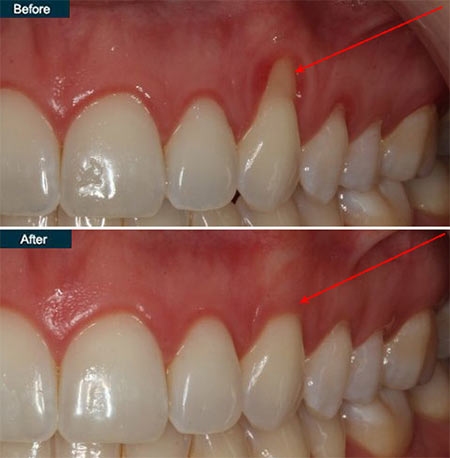
Noticing that your teeth look a bit “longer” than they used to can be a jarring experience. For many, that first realization in the bathroom mirror is immediately followed by a wave of anxiety. We’ve been conditioned to associate gum recession with painful surgeries, long recovery times, and invasive grafting procedures. This fear often leads people to delay treatment, and go for routine checkups at nearby dental clinic in Kolkata, which unfortunately allows the condition to progress.
If you’ve caught the recession early or if the cause isn’t related to severe bone loss, surgery is rarely the first—or even the second—recommendation. Advanced dental treatments are minimally invasive, and focus on biological healing , behavioral changes rather than just physical “patchwork.”
If you are looking for a gentle way to restore your oral health, here is a breakdown of the non-surgical options available today.
Understanding the “Why” Before the “How” — Cause of Receding Gumline
Before diving into treatments, it is important to understand that gum recession is often a symptom of an underlying issue. Gums generally pull back because they are being “pushed,” “eroded,” or “irritated” over time. Common culprits include:
- Aggressive Brushing: Using a stiff toothbrush or scrubbing too hard can physically wear down the delicate gum tissue.
- Persistent Plaque (Periodontitis): Bacterial buildup causes inflammation, which eventually makes the tissue detach from the tooth.
- Bruxism (Grinding): The sheer physical pressure of clenching can cause the gum line to retreat as the bone underneath reacts to the stress.
- Genetic Factors: Some individuals are born with naturally thin gum tissue that is more prone to moving.
When you visit a dental clinic in Kolkata, the first step is usually a thorough assessment of these habits. to ensure that once the gums are treated, they don’t start receding again.
1. Scaling and Root Planing (The “Deep Clean”)
This is the most common non-surgical dental treatment for gum recession caused by periodontal issues. Unlike a standard cleaning that focuses on the surface of the teeth, scaling and root planing goes deeper.
How it works:
The dentist carefully removes plaque and tartar from the “pockets” between your teeth and gums. Once the bacteria are cleared (scaling), the roots of your teeth are smoothed out (planing).
Why it helps:
By smoothing the root surfaces, the dentist makes it much harder for bacteria to stick there in the future. More importantly, it provides a clean, healthy surface that allows the gum tissue to naturally reattach to the tooth. Think of it as hitting the “reset” button on your gum health.
2. Laser Therapy (LANAP)
Laser technology has revolutionized the treatment for gum issues. For patients who are genuinely fearful of traditional dental tools, laser therapy is a game-changer because it involves no cutting and no sutures.
How it works:
A specific wavelength of light is used to target and vaporize only the diseased gum tissue and the bacteria causing the inflammation. It leaves the healthy tissue completely intact.
Why it helps:
The laser doesn’t just clean; it stimulates a healing response. The energy from the laser helps form a stable blood clot around the tooth, which acts as a protective seal while the body regenerates new attachment fibers. Experts at Precision Dental & Implant Centre, your trusted top dental clinic in Kolkata prefer this method because the recovery time is measured in hours, not days.
3. Topical and Local Antibiotics
In some cases, the reason gums won’t reattach to the tooth is a persistent, microscopic infection that physical tools simply cannot reach. In these instances, the treatment needs to be chemical rather than mechanical.
How it works:
After getting a professional teeth cleaning, your dentist may apply a slow-release antibiotic (often in the form of a gel or tiny microspheres) directly into the gum pockets.
Why it helps:
These medications stay in the pocket for several days, killing off the stubborn bacteria that manual tools might miss. By eliminating the infection at a cellular level, the inflammation goes down, the redness fades, and the gums can tighten back up around the tooth.
4. Bite Adjustment and Orthodontics
If your teeth are misaligned or if one tooth is taking too much force when you bite down, the gum and bone around that tooth will eventually retreat to get away from the trauma.
How it works:
The dentist analyzes your bite to see how your teeth meet. Adjusting the bite might involve minor reshaping of the tooth surface or, in more complex cases, using clear aligners to move the teeth into a healthier, more balanced position.
Why it helps:
By correcting the bite alignment, you stop the “trauma” that is pushing the gums away. Once the pressure is balanced, the recession typically stops in its tracks, preventing the need for future surgery.
5. Custom Night Guards for Bruxism
For the millions of people who grind their teeth during sleep (bruxism), a custom-fitted night guard is the most effective preventative treatment available.
How it works: A night guard acts as a shock absorber. It is a thin, durable barrier that prevents the upper and lower teeth from locking together and grinding.
Why it helps: Grinding causes “abfraction” lesions—tiny fractures near the gum line—that make it easier for gums to recede. While a night guard won’t regrow the gums, it removes the primary stressor.
If you are noticing sensitivity near the gum line, consulting an experienced dentist at the best dental clinic in Kolkata for a professional-grade guard is a proactive, non-surgical step that protects your smile for years to come.
Effectiveness of Early Dental Care
Gum tissue does not have the same regenerative properties as skin; once it is gone, it is very difficult to get back without surgery. However, the non-surgical options mentioned above are highly effective if the recession is addressed when it is only a millimeter or two deep.
When you address the issue early, you aren’t just avoiding a painful procedure; you are preserving the natural “seal” that protects the roots of your teeth from decay and sensitivity.
When Is Surgery the Right Choice?
It is important to be realistic: non-surgical treatments have their limits. If the gum tissue has receded so far that the root is fully exposed and the tooth has become loose, a graft might be necessary to save the tooth from falling out. Surgery is essentially a “rescue” mission for when the foundation has been severely compromised.
However, by seeking a consultation at the first place for increased sensitivity, you significantly increase your chances of staying in the “non-surgical” category.
Comparison of Non-Surgical Approaches
| Treatment | Best For | Recovery Time |
| Scaling & Planing | Plaque-related recession | Immediate |
| Laser Therapy | Deep infection & tissue regrowth | 24 Hours |
| Antibiotics | Persistent bacterial issues | N/A |
| Bite Adjustment | Physical trauma/Grinding | Immediate |
| Night Guards | Prevention of further recession | N/A |
Final Thoughts
Your gums are the foundation of your smile. While “surgery” is a scary word, “maintenance” doesn’t have to be. Most modern dental practices focus on preservation—keeping as much of your natural tissue as possible through high-tech, gentle methods.
If you’ve been putting off a visit because you’re afraid of the diagnosis, remember that the most common treatments today are designed for comfort and long-term health.
FAQs
1. Can receding gums grow back naturally without surgery?
No, gum tissue does not regrow once receded. However, while you cannot “grow” the tissue back, non-surgical treatments like scaling and root planing or laser therapy can help the existing gums reattach to the tooth and tighten. This stops the recession from progressing and protects the root from decay.
2. How can I stop my gums from receding further at home?
While you cannot fix existing recession at home, you can prevent it from worsening by:
- Switching to a soft-bristled electric toothbrush and using a gentle, circular motion.
- Wearing a custom night guard if you grind your teeth.
- Flossing daily to remove the bacteria that cause inflammation.
- Scheduling a professional evaluation at a dental clinic in Kolkata to identify the specific cause of your recession.
3. Is laser gum treatment (LANAP) better than traditional deep cleaning?
Laser treatment is often considered “better” for patients seeking a more comfortable experience. Unlike traditional scaling, the laser targets only the diseased tissue and bacteria without touching the healthy gums. It also stimulates the body’s natural healing response, which often leads to a faster recovery time and less post-procedure sensitivity.
4. How do I know if I need gum surgery or a non-surgical treatment?
You are likely a candidate for non-surgical treatment if your recession is caught early (1-3mm pockets) and your teeth are still stable. If you notice loose teeth, severe bone loss, or visible tooth roots that are highly sensitive, a surgical graft may be necessary. A dentist will use a periodontal probe to measure the “pockets” in your gums to make this determination.
5. Can regular dental cleanings prevent receding gums from starting?
Yes, professional teeth cleanings are the single most effective preventive measure against gum recession. Consider visiting the best dental clinic in Kolkata every six months for routine checkup and better oral health.receding gums treatment